Your home is one of your most valuable investments—and its electrical system powers your daily life. Our team undergoes continuous training to handle everything from minor repairs to complete panel overhauls.
Regular electrical maintenance ensures safety, compliance, and readiness for modern needs like heat pumps and EV chargers. Prioritize safety inspections, address outdated wiring, and hire licensed professionals to protect your property and meet insurance requirements.
Yes. Under Technical Safety BC regulations, most electrical work—including installing panel upgrades, EV chargers, new dedicated circuits, and major renovations—requires a permit. If you hire a licensed electrical contractor, they will pull and manage the permit on your behalf to ensure your work meets the Canadian Electrical Code and satisfies home insurance requirements.
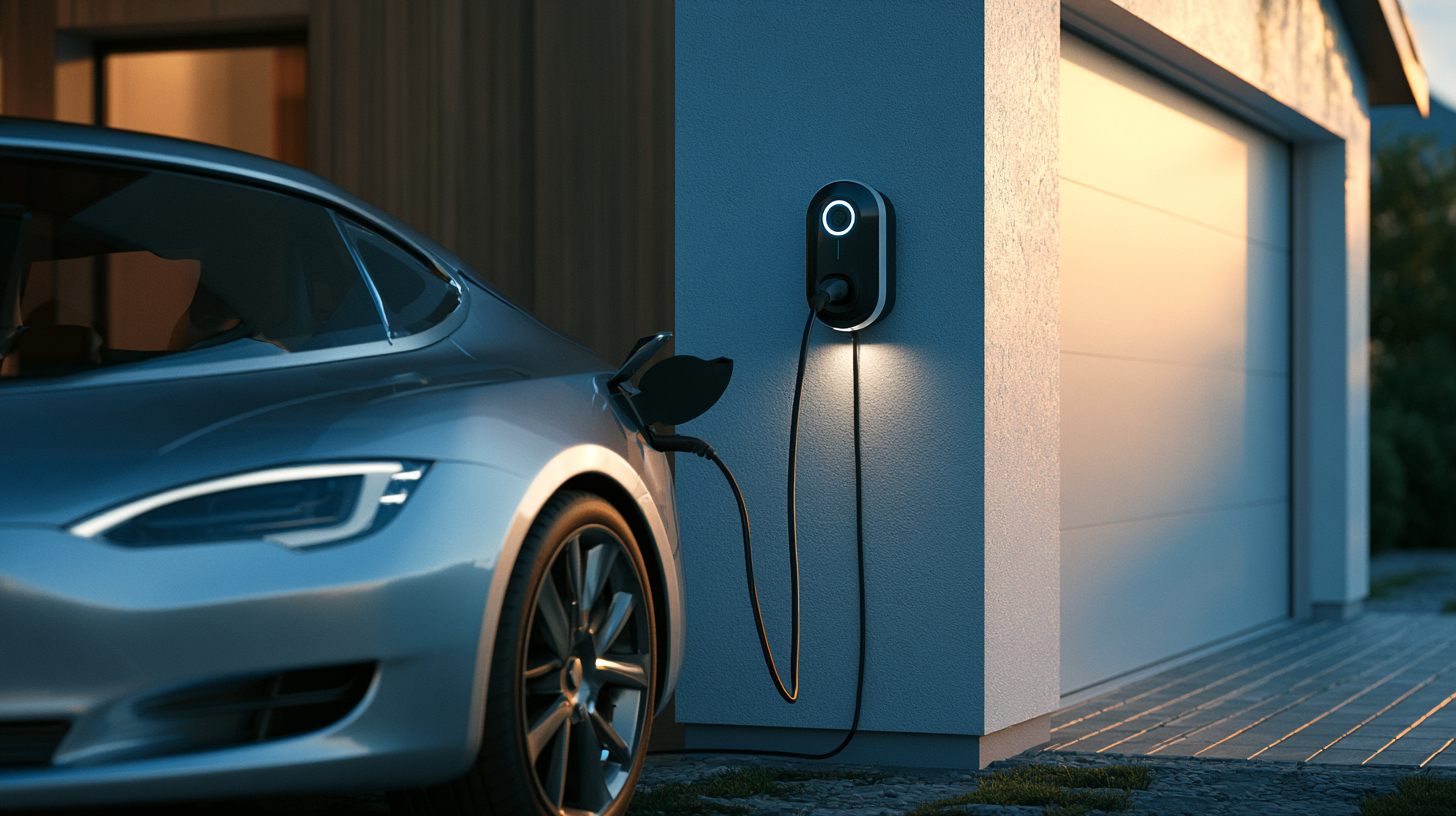
While you can plug a Level 1 charger into a standard wall outlet, it charges extremely slowly (days instead of hours). Level 2 chargers require high-voltage wiring, specialized mounting, and a proper load assessment. In BC, installing a hardwired or Level 2 EV charger legally requires an electrical permit and a licensed professional to prevent dangerous overloads.
A tripping breaker is a built-in safety feature telling you that the circuit is drawing more electricity than it is rated to handle. This is commonly caused by overloading a circuit with too many space heaters, appliances, or hair dryers, or it can point to a deeper issue like a short circuit or failing appliance. If a breaker won't stay reset, call a certified electrician to diagnose it safely.
If your home is more than 30 years old and still runs on a 100-amp (or older 60-amp/fuse) panel, it is likely struggling to keep up with modern electrical demands. Warning signs include flickering lights when appliances kick on, burning smells near the panel, or tripping breakers when running multiple devices. Upgrading to a 200-amp service future-proofs your home for heat pumps and EV chargers.
Not necessarily entirely, but aluminum branch wiring (common in 1960s and 1970s Lower Mainland homes) requires attention. Over time, aluminum expands and loosens, creating high-resistance connections and fire risks. An electrician can remediate this safely using specialized "pigtailing" connectors (like CO/ALR devices) and safety checks without requiring a full structural rewire.
Many insurance providers across British Columbia require a formal electrical safety inspection or certification before renewing policies on homes over 30 or 40 years old—especially if they suspect outdated wiring (like knob-and-tube or aluminum), old fuse panels, or unpermitted DIY modifications.
GFCI (Ground Fault Circuit Interrupter) outlets are designed to cut power instantly if moisture is detected to prevent electrocution. Because of the Lower Mainland's damp coastal climate, moisture often gets trapped in bathroom, kitchen, or outdoor patio outlets, causing them to trip or wear out. If a GFCI won't reset, the outlet mechanism or upstream wiring likely needs replacement.
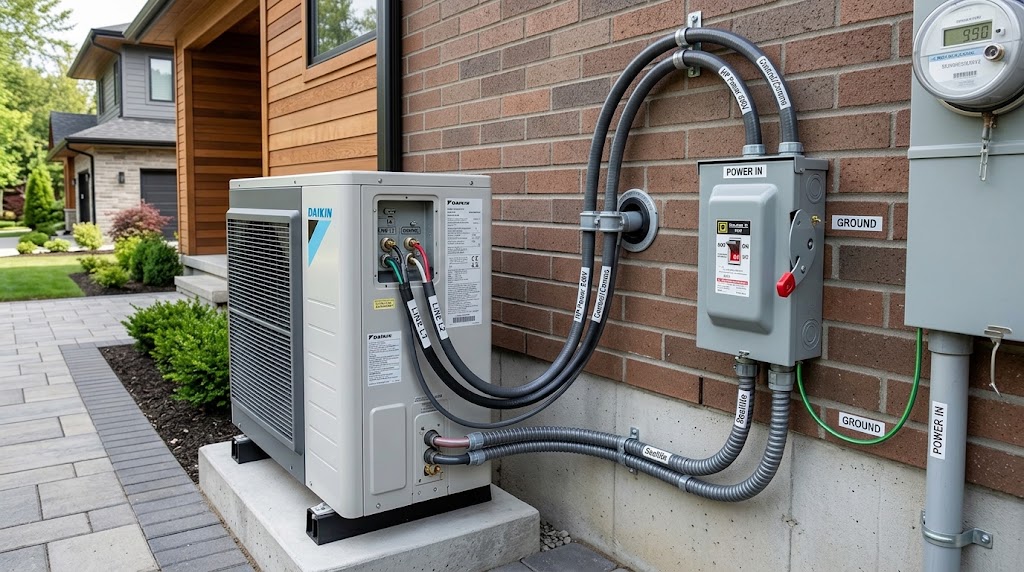
It depends on your current panel capacity and total home load. Heat pumps draw significant power, especially during startup. Before installation, a licensed electrician should perform a load calculation on your service panel. If capacity is maxed out, a panel upgrade or a smart load-management center may be installed alongside your CleanBC heat pump upgrade.
Treat this as an immediate electrical emergency. A fishy odor, warm-to-the-touch wall plates, popping sounds, or buzzing from your breaker panel indicate arcing wires or melting insulation, which are primary causes of electrical fires. Safely shut off the main breaker if you know how, keep clear of the area, and call an emergency electrician right away.
For homes under 20 years old, a casual check during renovations or appliance upgrades is usually sufficient. However, for homes older than 20–30 years—or if you are purchasing a resale property in the Lower Mainland—a comprehensive electrical safety inspection is recommended every 5 to 10 years to catch aging components before they turn into hazards.
.png)