.png)
Electricity powers nearly every comfort in modern life, but because it is invisible, it’s easy to forget how dangerous it can be when handled improperly. Minor mistakes—whether from well-intentioned DIY attempts or general home maintenance oversight—can result in damaged electronics, costly structural damage, or severe electrical fires.
To help keep your home safe, efficient, and up to code, here are 15 critical electrical mistakes homeowners should avoid at all costs.
Every circuit is designed for a specific amperage (typically 15-amp or 20-amp), which dictates the wire size required. Installing wire that is too thin for the breaker rating means the wire will overheat long before the breaker ever trips, melting its insulation and creating a severe fire hazard behind your walls.
Power strips do not create extra electricity; they simply multiply the number of devices drawing from a single wall outlet. Plugging multiple high-draw appliances (like space heaters, microwaves, or hair dryers) into a single strip can overload the wall outlet and melt internal contacts.
A breaker that trips occasionally is doing its job to protect your home. However, resetting a breaker repeatedly without fixing the underlying issue bypasses your safety system, forcing high current through stressed wires and generating extreme heat.
Cutting off the round ground prong on a three-prong plug to force it into an older two-prong outlet removes the vital ground path designed to channel fault currents safely into the earth. If a short occurs, that current can travel through you instead.
Every light fixture has a maximum recommended wattage rating stamped inside the socket. Using a bulb with a higher wattage than recommended causes heat to build up inside the fixture socket, which can scorch surrounding material and melt the fixture’s wiring.
Never join two wires together with wire nuts and leave them floating loose inside a wall cavity or attic space. Electrical codes strictly require all wire connections (splices) to be contained inside an approved metal or plastic junction box with a covered faceplate to contain potential arcing and sparks.
Ground Fault Circuit Interrupters (GFCIs) monitor the flow of electricity and shut off power in milliseconds if current leaks into a path through water or a person. Omitting GFCI protection in kitchens, bathrooms, basements, laundries, and outdoor locations leaves your home vulnerable to lethal shocks.
Stuffing too many conductors and wire nuts into a small electrical box pinches insulation, loosens connections, and prevents heat from dissipating. Electrical codes specify precise box fill calculations based on wire gauges to ensure safety.
When installing GFCI outlets or smart switches, confusing the "Line" (power coming in) and "Load" (power going downstream) terminals will render the device’s safety features ineffective or leave downstream outlets completely unprotected.
An outlet that wiggles or a cord that droops out under its own weight indicates worn-out spring contacts inside the receptacle. Loose contacts create high resistance, leading to local hot spots that can char the cover plate and ignite surrounding materials.
Running extension cords under rugs or pinching them beneath heavy furniture damages the outer insulation and traps heat. Foot traffic can break the fine copper strands inside, leading to localized overheating and fire risks.
Homes built in the late 1960s and 1970s often feature aluminum branch wiring. Connecting standard copper-only switches or outlets directly to aluminum wire causes rapid galvanic corrosion and thermal expansion, loosening connections and creating high arcing risks.
Connecting a hot wire to a neutral terminal (reversed polarity) might still allow a device to run, but it leaves the appliance’s internal metal components permanently energized even when switched off, posing a severe shock hazard during routine maintenance or bulb changes.
Smoke detectors do not last forever—they expire after 10 years, while Carbon Monoxide (CO) detectors typically last 5 to 7 years. Relying on outdated units or failing to replace dead batteries removes your home's most essential early warning defense.
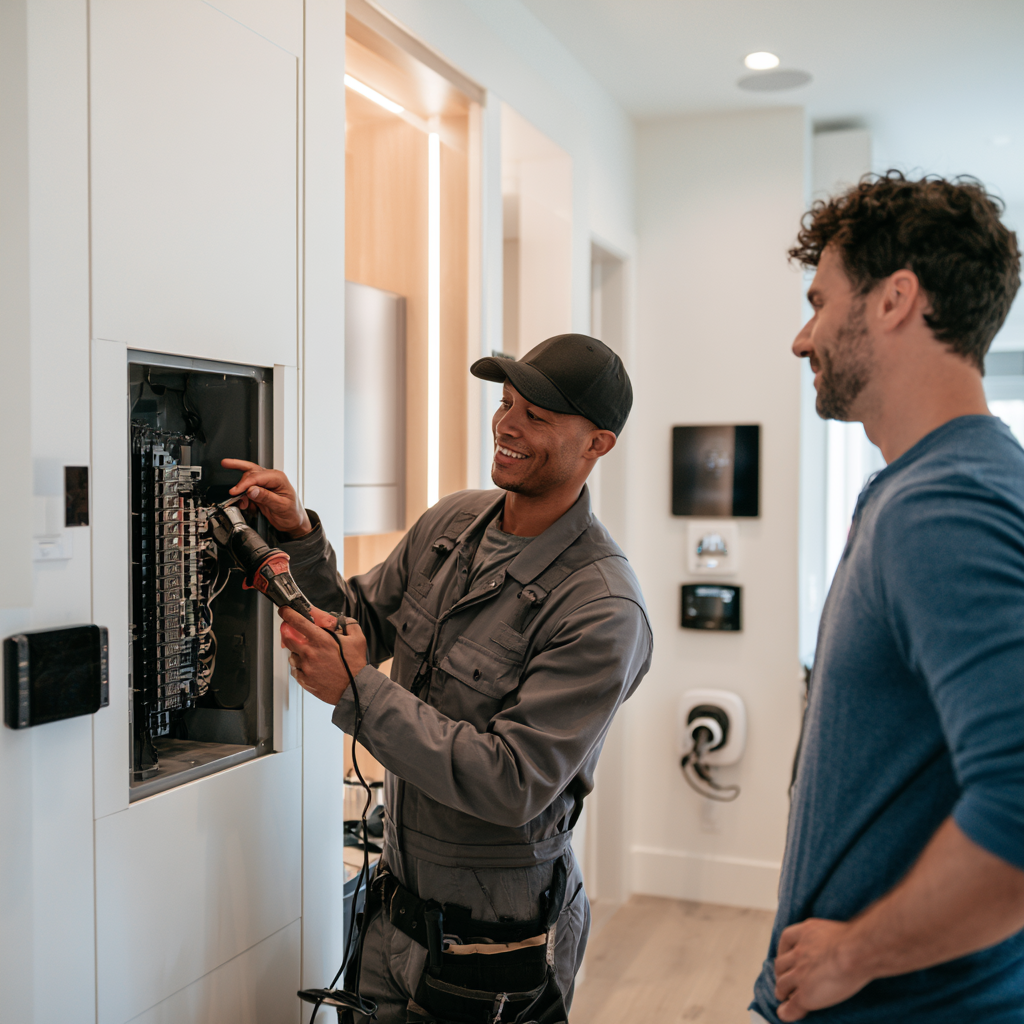
Main service panels carry dangerous line-side power that remains energized even when the main switch is turned off. Attempting DIY repairs inside the panel or swapping out service breakers without professional equipment and certification exposes you to lethal arc flash hazards.
Avoiding these common mistakes is essential for maintaining a safe, efficient, and reliable home. If you notice signs of faulty wiring, need new outlets added, or are planning home renovations, always consult a certified, licensed electrician to ensure all work is completed safely and up to current building codes.
.png)