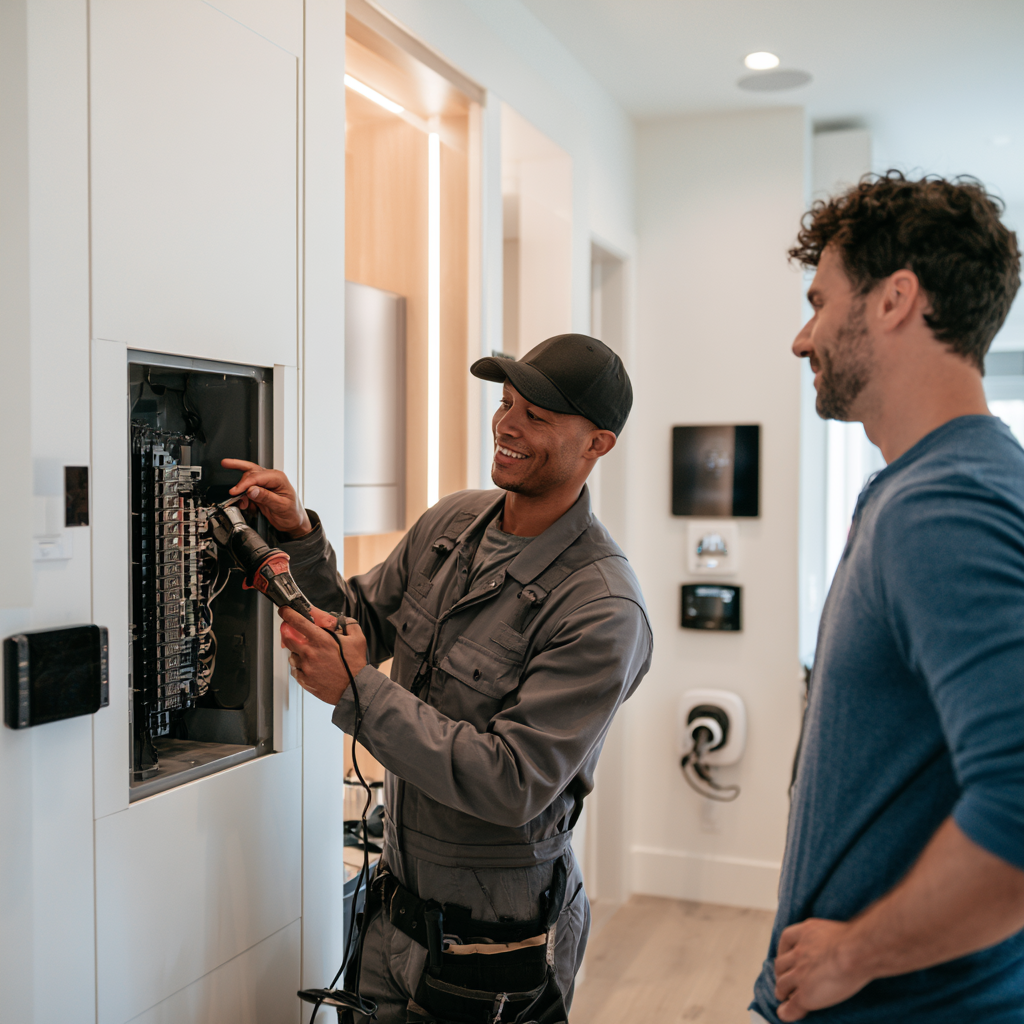
Your home's electrical system powers nearly everything you do, from keeping food fresh to running climate controls and charging devices. Because electrical wiring is mostly hidden behind walls, it can be easy to take for granted—until something goes wrong.
Performing a routine safety inspection helps identify potential hazards before they cause severe damage, power outages, or electrical fires. Use this comprehensive checklist to walk through your home and evaluate your electrical system.
1. Electrical Outlets and Switches
Outlets and wall switches are your primary daily contact points with your electrical system.
- Test Outlets for Firm Connections: Plugs should fit snugly into outlets. If a plug sips out easily or sags, the internal contact clips are worn out, creating high resistance and potential overheating.
- Feel for Excessive Heat: Touch cover plates periodically. Outlets and switches should always feel cool to the touch. Warm plates, discoloration, or scorch marks signal dangerous wiring issues.
- Listen for Sounds: Outlets and switches should operate silently. If you hear buzzing, humming, or crackling, turn off the breaker to that circuit immediately.
- Ensure Faceplates Are Intact: Broken or missing cover plates expose live wiring to accidental contact, particularly for children and pets.
2. Appliance and Extension Cords
Damaged cords are a leading cause of residential electrical fires and shock hazards.
- Inspect Cords for Wear: Check all power cords for fraying, cracked insulation, or exposed wire strands. Replace damaged cords right away rather than patching them with tape.
- Avoid Pinching Cords: Keep cords from running under doors, carpets, or rugs, where foot traffic can damage insulation and trap heat.
- Check Extension Cord Usage: Extension cords are designed strictly for short-term use. If you rely on them permanently, it's time to have an electrician install additional wall outlets.
- Avoid "Daisy Chaining": Never plug power strips or extension cords into one another.
3. Water and Electricity Safety (GFCIs)
Water and electricity are a dangerous combination. Ground Fault Circuit Interrupters (GFCIs) protect against severe shock by instantly shutting off power if electricity comes into contact with moisture or a grounded surface.
- Check GFCI Locations: Ensure GFCI outlets are installed in high-moisture zones, including kitchens, bathrooms, basements, laundry rooms, garages, and outdoor locations.
- Test GFCIs Monthly: Press the "TEST" button on each GFCI outlet. The power should cut off immediately and the "RESET" button should pop out. Press "RESET" to restore power. If it fails to trip or reset, the outlet must be replaced.
4. Electrical Panel and Circuit Breakers
Your main breaker panel is the central nerve hub of your home's power distribution.
- Keep Clear Access: Ensure the area around your electrical panel is free of clutter, storage boxes, or flammable materials. Maintain at least three feet of clear space in front of the box.
- Check Panel Labeling: Verify that all circuit breakers are clearly and accurately labeled so you can quickly cut power to specific rooms during an emergency.
- Look for Signs of Overheating or Rust: Inspect the panel door and surrounding wall for scorch marks, rust, or moisture accumulation.
- Listen for Panel Noise: A healthy panel operates quietly. Persistent buzzing or clicking indicates overloaded circuits or failing breakers.
5. Lighting and Fixtures
Proper lighting choices prevent unnecessary heat buildup and electrical overloads.
- Check Light Bulb Wattage: Ensure light bulbs match or fall below the maximum wattage rating printed inside the fixture socket. Exceeding rated wattage can melt wire insulation inside the light fixture.
- Upgrade to LEDs: Replace old incandescent bulbs with energy-efficient LEDs. LEDs run significantly cooler and draw up to 85% less power.
- Inspect Recessed Ceiling Lights: Ensure ceiling insulation is kept at a safe distance from non-IC-rated recessed lights to prevent heat traps.
6. Smoke and Carbon Monoxide (CO) Alarms
Smoke detectors and CO alarms are your home's most vital early warning defense.
- Test Monthly: Press the test button on every smoke and CO detector in your home once a month.
- Replace Batteries Annually: Replace batteries every year (or select sealed 10-year lithium models).
- Check Expiration Dates: Smoke alarms have a maximum lifespan of 10 years, while CO detectors typically last 5 to 7 years. Replace aging units promptly.
- Verify Placement: Ensure alarms are installed on every level of your home, inside each bedroom, and in hallway sleeping areas.
When to Call a Certified Electrician
If your walkthrough reveals warm outlets, persistent breaker trips, missing GFCI protection, or outdated panel hardware, don't attempt live-voltage troubleshooting yourself.
Contact a licensed, certified electrician to perform a comprehensive professional home electrical safety inspection and handle repairs safely and correctly.

.png)
.png)
.png)